When I think about audience, I think about what turned out to be a very ironic song, “Duchess,” written by Genesis band members Michael Rutherford, Tony Banks, and Phil Collins and found on the album Duke.
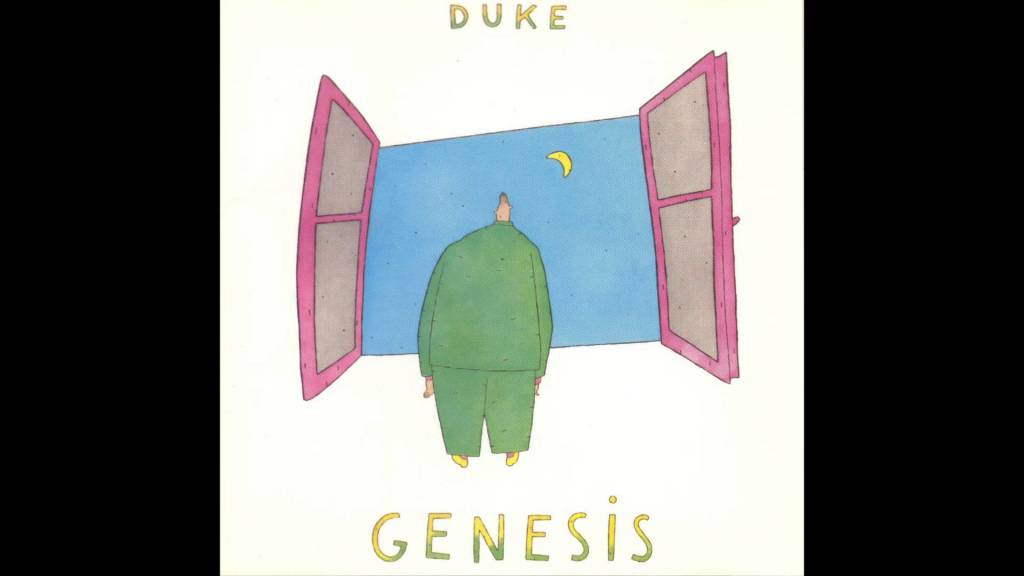
The song tells the story of Duchess, a singer who, at the beginning of her career, is only focused on her music. “She never thought about the future. She just did what she would.” At this point in the song, she doesn’t really care what other people think of her music. Instead, she wrote and played for herself. Once she tasted success, however, things started to change. After that, things got more challenging, and there was “Too much thinking ’bout the future and what people might want.” Eventually, people stopped coming to hear her sing, and all she was left with were her memories of cheering fans.

The irony comes on two levels. First, the song is ironic as it was supposed to be part of a 23-minute medley that told a much larger story. Genesis had done this with songs such as “In the Cage.” Personally, I love the medleys, and if you pay attention to the album, you can hear the storyline being reprised at several moments in the overall concept of the album. On occasion, though, it does feel disjointed, but overall, it is a very good album. They didn’t create a 23-minute song so “Duchess” could be released as a single. You could say that the group was now starting to think about what the people might want.
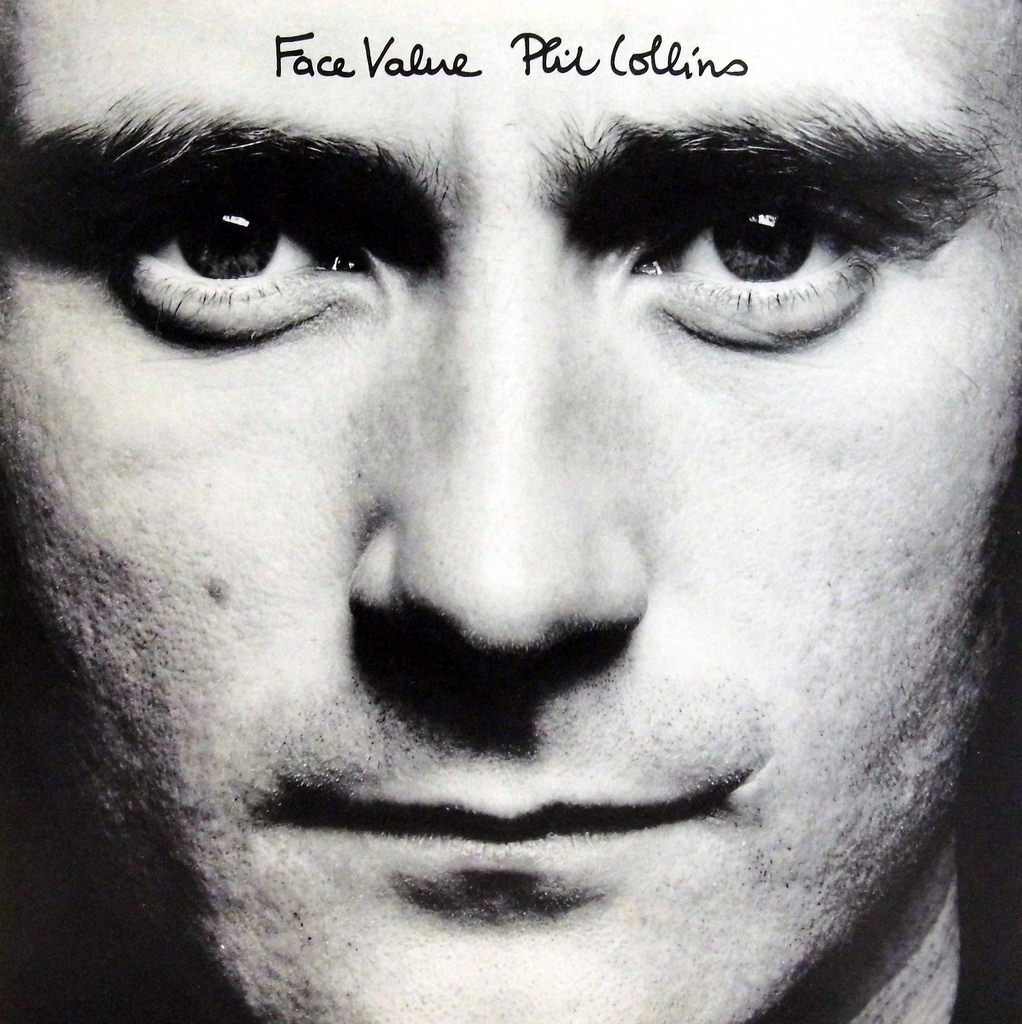
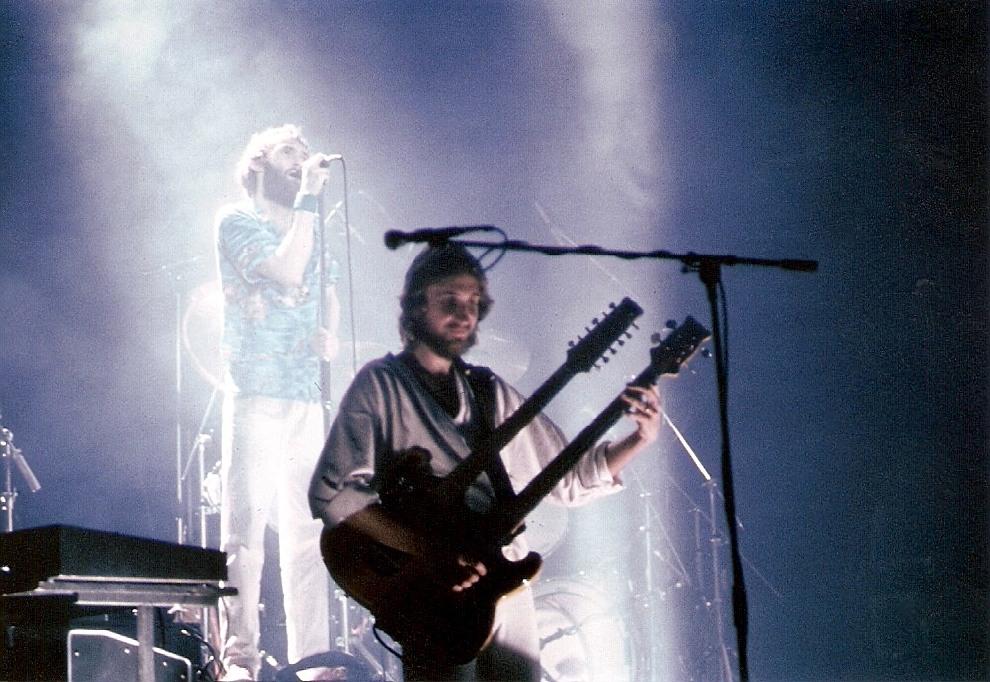
The group and Collins, in particular, started to become more single-oriented. Maybe he just stands out because he was more successful at the music industry’s pivot to the all-important single. Phil became ubiquitous. His music turned up on television and film, and he seemingly produced every album by everyone for about 10-15 years. One could say that the success, the pivot toward worrying about what the people might want, cost Collins and left him with only the memories of the super-shows of the seventies and eighties. That is probably a stretch, but the argument could be made.
So, yes, that goes through my head when I think about the audience. For example, I had a brief conversation with someone after I had done a reading of a chapter of a novel I had written. When I was done, everyone was complimentary. They seemed to really enjoy it. The next day, I was told how successful it was, but when I saw my sales, there was not one that I could directly attribute to the reading.
My response was that perhaps there is no audience for what I do. After assuring me that there had to be, a suggestion was made that I add something to the story. My immediate thought was, “Duchess!” I decided that there may be no audience for my writing style, but that’s fine by me. Yes, I would like to make enough money to walk away from my job and devote full time to sitting in cafés writing for a few hours every day. I wrote it for me, and all subsequent projects will also be for me. Writing would cease to be fun if I had to think of what everyone wanted.
It is fun if other people buy and enjoy my work, and I will always take technical advice to improve them. I figure if I enjoy writing them, others might enjoy reading them. I will also accept technical advice because there is always room for improvement. I will probably never make a living as a writer because of this…and other factors. But, in the end, I will stick to the advice of the cautionary tale by Genesis, and I will not think about the future. I will do what I will.
 Henry James Morello